There is a certain moment when an everyday product quietly transforms into something far more valuable. Ireland has watched that happen with whiskey. What once sat on the shelf as a familiar comfort has become a prized asset with global attention. Investors from places far beyond Dublin or Cork are now competing for Irish casks, treating them with the same seriousness usually reserved for precious metals. It did not happen suddenly. It happened through years of rising demand, careful craft, and a renewed respect for what Ireland creates. Whiskey has stepped into a space once held almost entirely by gold, and the reasons are worth looking at closely.
A Cultural Icon That Outgrew Its Original Role
Irish whiskey never struggled for identity. It belonged to the country long before investment conversations ever appeared. Families spoke about favourite brands the way they spoke about local traditions. Distillers preserved techniques passed down through generations. The value of whiskey was always more emotional than financial.
Then something changed. Other countries discovered Irish whiskey and fell in love with the soft, clean character that sets it apart. Bars across Europe and the United States began promoting it with confidence. Collectors started searching for aged Irish bottles that were almost impossible to find. A product once enjoyed mainly at home had become an international talking point, and that shift carried real financial power behind it.
Demand That Outpaced Supply
Gold becomes valuable when there is not enough of it. A similar story unfolded with whiskey. More people wanted it. Fewer older casks were available. Distilleries could increase production, but time itself cannot be rushed. Spirit needs years to develop, and no amount of investment can shorten that natural process.
This imbalance created a new kind of rarity. Older whiskey suddenly became a treasure because hardly any remained. Younger spirit gained interest because buyers knew one day it would become scarce as well. As each year passed, the gap widened. The industry witnessed a rising number of buyers seeking something that the country simply could not produce quickly. The result was predictable. Prices climbed, and confidence climbed with them.
A Tangible Asset in an Unsteady World
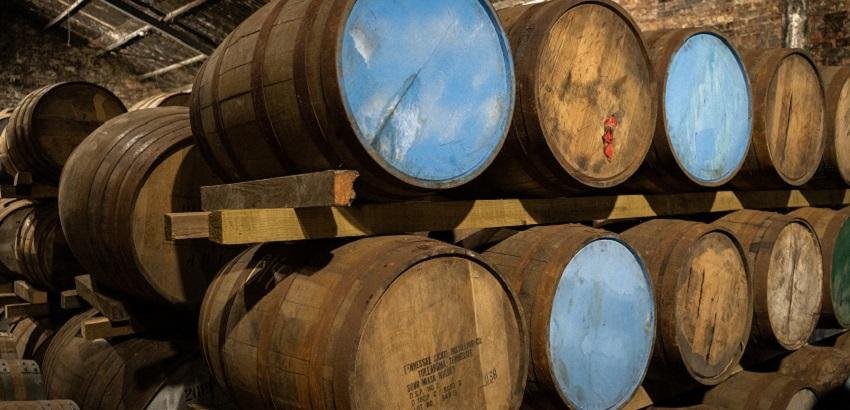
Many investors became weary of screens full of numbers that change second by second. They wanted something real. Something they could point to and say, that is mine. Whiskey provided that. A cask is a physical asset that matures quietly in a bonded warehouse, unaffected by daily market swings.
It feels steady. Predictable. Almost calming. While the world argues about inflation, interest rates, or currency shifts, a cask continues its natural journey inside the wood. This gave people a sense of balance at a time when everything else seemed uncertain. The value grows because ageing cannot be faked. The spirit becomes deeper, richer, and more desirable. This simplicity gave whiskey the reputation of being Ireland’s modern form of gold, a store of value with its own quiet rhythm.
The Long Game That Suits Patient Investors
Gold rewards patience. Whiskey does the same. A well chosen cask matures into something unique. Year after year, its character changes. Buyers who need older stock seek it out because there is no shortcut. If they want it, they must pay for the years already lived inside the wood.
Investors in Ireland quickly realised this. It meant they were not gambling. They were waiting, and time was on their side. There is something satisfying about an asset that becomes better simply by being left alone. Unlike many financial products, whiskey has a story of growth you can taste and measure. Investors enjoy that connection. They feel part of the craft, even if they never step inside a distillery.
Global Markets That Strengthened the Trend
Ireland is not the only country that fell for Irish whiskey. Markets in Asia, North America, and mainland Europe have developed a particular fondness for older Irish spirit. Importers want more of it. Bars want rare expressions for collectors. Retailers want bottles that tell a story of maturity and heritage.
As global interest increased, prices followed. Distilleries felt pressure to meet demand, but of course they could only produce so much. The tension between limited supply and growing international appetite made whiskey an attractive long term asset. Gold shines because the world wants it. Whiskey now follows that same pattern.
Distilleries Playing a Bigger Role in the Investment World
As interest in cask investment grew, distilleries began to participate more actively in the process. Many offered private cask programs, guided storage, and official documentation to verify ownership. This added a level of trust that investors appreciated.
Distillers naturally understand the value of aged stock. They know how it develops and what buyers want at specific ages. When they began opening the door for investors to purchase casks directly, it created a well structured pathway that did not exist twenty years ago. This helped transform whiskey from a cultural symbol into an asset class with a clear framework.
A Story That Adds Meaning to the Investment
People do not just invest in whiskey for financial reasons. They invest because it carries a sense of character. A cask is not simply stored. It lives through the seasons, absorbing warmth, releasing vapour, and deepening in colour. Investors often describe a strange comfort in knowing something valuable is developing quietly over time.
Gold does not change while you hold it. Whiskey does. The spirit moves through stages of growth and eventually becomes something that people celebrate. That emotional connection makes the asset feel more meaningful and often more enjoyable to hold for long periods.
The Influence of Craft and Heritage
Ireland’s craft traditions add another layer to the investment appeal. Many distilleries honour older practices, using copper pot stills, traditional mash bills, and thoughtful wood choices. When investors buy a cask, they buy into a craft that took generations to perfect.
This craftsmanship supports long term value. The better the spirit, the stronger the demand as it matures. Buyers are willing to pay for skill, tradition, and authenticity. These qualities lift Irish whiskey far beyond a simple commodity and into the territory of cultural assets that appreciate over time.
Predictable Maturation and Predictable Scarcity
Predictability is rare in modern investments. Whiskey offers a version of it. Each year of ageing moves a cask from one category to another. Ten years. Fifteen years. Twenty years. These age brackets influence market interest and pricing.
Once a cask moves into a mature range, it joins a very small group. Not many survive long enough to reach double digit ages. Distilleries bottle their stock at various points, which reduces the pool of remaining casks. This steady shrinking of supply helps maintain long term scarcity. By the time a cask reaches an older age, it becomes incredibly appealing to buyers who want something special for their portfolios or product lines.
A Market That Still Has Room to Grow
Even though Irish whiskey has grown rapidly, experts believe the industry is still in the early stages of its global potential. The number of distilleries has increased, but the volume of aged whiskey remains limited. Consumers are becoming more adventurous. They seek out bottles from smaller distilleries and want stories behind the spirits they choose.
All of this points toward a long future of demand. Investors are not looking at a trend with a short lifespan. They are looking at an industry moving upward with steady confidence. That is exactly what people want when they think of assets designed to protect value.
A Modern Form of Wealth Preservation
When someone calls whiskey Ireland’s new gold, they are not speaking in poetry. They are recognising a real pattern. Whiskey stores value. It matures predictably. It becomes rarer with every passing year. It holds global appeal. It offers physical ownership and a sense of security. These qualities mirror what gold has symbolised for centuries.
The difference is that whiskey has a story unfolding inside it. It is alive in a way gold can never be. Ireland has crafted something that brings heritage and investment together in a unique form. Investors who choose whiskey are not just buying a product. They are choosing a piece of Ireland’s identity, shaped by time, wood, and skill.
Final Thoughts
Whiskey earned its reputation as Ireland’s new gold because it stands on foundations that are hard to deny. Rising demand, limited aged stock, international recognition, and natural maturation have all contributed to its appeal. It offers something stable in a world that feels unpredictable. Something real in a time when so many investments exist only on screens.
As more people discover the strength of this market, whiskey continues to grow in value and in cultural pride. It is a rare moment when a traditional craft becomes a modern store of wealth, and Ireland is leading that transformation with confidence.
FAQs
What makes whiskey different from other alternative investments?
Whiskey matures naturally inside the cask, which means its value often grows through ageing rather than market behaviour. This gives it a steady path of development that many assets do not have.
Is aged Irish whiskey really becoming harder to find?
Yes. Older stock is limited because distilleries bottled much of it in previous decades. New spirit will take many years to replace it, which creates genuine scarcity.
Why do investors value cask ownership instead of bottles?
Cask ownership offers full control. Investors can sell the entire cask, bottle it privately, or continue maturing it. Bottles usually offer far less flexibility and slower appreciation.
Does global demand influence cask prices?
Global interest plays a strong role. As international markets grow, buyers compete for mature Irish whiskey, which often lifts the value of well aged casks.
How do buyers confirm the value of a cask when selling?
Buyers request sampling and regauging. These assessments show the current strength, volume, and flavour profile, which helps establish a fair and accurate price.
Is whiskey considered a safe long term store of value?
Whiskey is seen as steady because ageing is predictable and older stock is naturally limited. While no investment is completely risk free, the controlled maturation process offers reassurance.
Can whiskey investments be passed to family members?
Yes. Casks can be transferred through normal inheritance procedures, making them suitable for long term planning.
Do certain wood types affect potential resale value?
Some buyers prefer casks matured in particular woods because they create richer flavours. This can increase interest in casks that used sherry, port, or other seasoned barrels.
Is whiskey investment suitable for someone with no experience?
Yes. Many first time investors begin with a single cask and receive clear guidance from their chosen provider and warehouse partners.
How long do investors typically hold a whiskey cask?
Most investors hold for five to ten years, depending on the age they want the spirit to reach and the type of exit strategy they prefer.