Cask ownership has become one of the most talked about ideas in the Irish whiskey world. People hear about it from friends, podcasts, distillery tours, or social media. The idea sounds almost magical. You can own a whole cask of maturing Irish whiskey and let it grow in value while it rests in a warehouse. Yet once people begin looking into it, the details can feel a little unclear. What exactly does ownership mean? How does it work in Ireland? What should you expect over the years?
Understanding cask ownership begins with understanding how Irish whiskey is made, stored, and sold. Once you see how those pieces fit together, the concept of owning a cask becomes far simpler and far more interesting.
The Basics of Cask Ownership
When you buy a whiskey cask in Ireland, you buy the spirit inside the barrel. You do not physically take the cask home. It stays in a secure bonded warehouse where it matures under controlled conditions. Your name is recorded as the owner, you receive documentation confirming that ownership, and the cask cannot be moved or sold without your permission.
It is important to know that a whiskey cask is not a share or a unit of a fund. It is a physical asset. It exists in a real warehouse, under an identification code, and you own the entire contents. You are not relying on a collective scheme or a third party trying to pool investments. That clarity is one of the reasons cask ownership has become popular. People like the idea of something tangible.
Why Ireland Is Such a Strong Place for Cask Ownership
Ireland has a long history of whiskey production, but its modern revival is what makes the current market so exciting. New distilleries have opened across the country, old names have returned, and international demand continues to grow. Irish whiskey exports have been rising for more than a decade, and global drinkers have developed a strong taste for premium aged Irish spirit.
This growth has created a natural opportunity for individuals who want to own whiskey while it is still maturing. Distilleries need warehouse space. They need insurance for the spirit. They need steady cash flow to support production. Offering casks for ownership helps support the industry while also giving private investors something unique and culturally rich.
Ireland also operates a strict regulatory system for bonded warehouses. These warehouses are revenue approved, which means the whiskey inside is monitored closely and tax is only due when the spirit is bottled or removed from bond. This system creates a safe environment for ownership. The warehouse cannot release or transfer the cask without proper paperwork. Everything is recorded. Everything is checked.
How Ownership Is Recorded and Protected
A proper ownership structure includes documentation from the bonded warehouse itself. This document is essential. It confirms your name, the cask number, the distillery, the fill date, and the warehouse location. It also confirms that you are the beneficial owner of the spirit.
Without this document, you do not truly own the cask.
Companies such as Whiskey Cask Investments ensure that every client receives full paperwork directly from the warehouse. This removes uncertainty and gives you proof that the asset is recognised by the facility storing it.
Insurance is another important point. A whiskey cask should always be insured against loss or damage. Bonded warehouses provide insurance for the contents and the wood itself. This gives owners peace of mind that their asset is protected even though they cannot physically access it day to day.
What Happens Inside the Warehouse
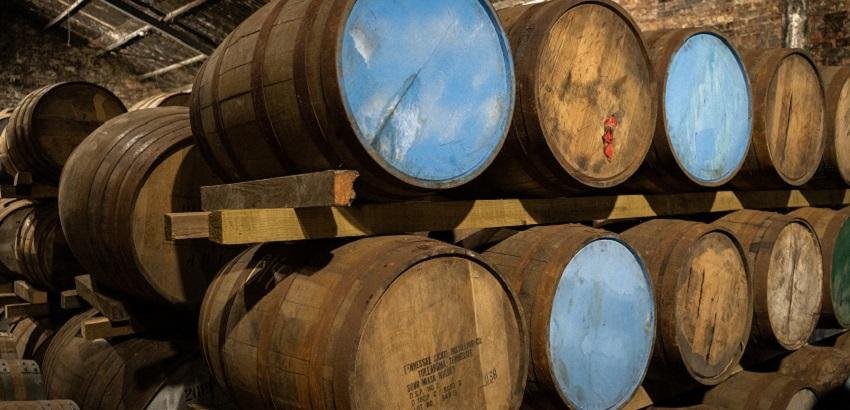
People imagine dark old rooms with dust and silence, and in many cases, that is not far from the truth. A bonded warehouse has a calm and steady atmosphere. Rows of barrels rest on wooden racks. The air holds the soft scent of aging spirit. The doors stay locked. Only authorised staff enter.
Inside the cask, the whiskey begins to change. It draws colour and flavour from the wood. It breathes gently. It loses small amounts of volume each year. That loss is called the angel’s share, and it creates natural scarcity.
Temperature shifts throughout the seasons also affect the whiskey. Warmer months expand the spirit deeper into the wood. Cooler months pull it back. This dance between spirit and wood creates the complexity that Irish whiskey is known for.
The warehouse environment is essential to good maturation. Ireland’s mild climate produces slow and balanced development. That steady pace is one of the reasons Irish whiskey has such a smooth reputation.
What You Can Do as a Cask Owner
Although you cannot take the cask home or roll it around a warehouse yourself, you have several meaningful options as an owner.
You can request samples
A small amount of whiskey can be drawn from the cask to check its progress. This lets you understand how the spirit’s flavour is developing.
You can ask for regauging
Regauging measures the current volume and strength of the whiskey. This is important for valuation and eventual sale.
You can visit the warehouse
Many warehouses allow visits by appointment. Seeing your cask in person gives the experience a personal touch.
You can choose your exit
It is your asset. You decide whether to sell it, bottle it, or continue maturing.
These choices make ownership feel more like a journey rather than a simple financial decision.
How Value Develops Over Time
Cask value grows through time and rarity. Younger whiskey is plentiful. Older whiskey is rare. Only a small number of casks reach ten, twelve, fifteen, or twenty years of age. As the whiskey matures, its flavour deepens, and its market appeal increases.
Distillery reputation also plays a strong part. A respected distillery with a track record of quality will often see steady demand for aged spirit.
Wood type matters too. A first fill bourbon barrel may attract a different audience than a sherry butt or a wine finish. Some finishes create special interest among collectors and bottlers.
Evaporation naturally reduces volume over the years, which means fewer litres remain inside the cask. That scarcity becomes part of the value. It is one of the few investments where losing something actually makes the remainder more desirable.
Common Misunderstandings About Cask Ownership
As the market grows, a few misunderstandings follow it.
Misunderstanding one
Some people think that buying a cask means they are joining a club or scheme. In reality, proper ownership gives you full control of a single physical asset, not a subscription or membership.
Misunderstanding two
Others believe they can store the cask at home. Irish law does not allow this. All maturing whiskey must stay in a revenue approved bonded warehouse until it is bottled.
Misunderstanding three
Some people imagine dramatic profits in a short time. Whiskey does not work like that. It grows slowly. It rewards patience.
Once these misconceptions disappear, cask ownership becomes much clearer.
Exit Options for Cask Owners
At some point, the whiskey reaches a stage where selling or bottling makes sense. You can choose from several options.
Selling the cask in bond
This is common and efficient. The cask transfers to another owner while staying in the warehouse.
Selling to a bottler
Bottlers often look for casks with impressive flavour or age, especially if they are preparing limited releases.
Bottling the whiskey yourself
Some owners want to bottle the whiskey with private labels, gift it to clients, or use it for personal occasions. This option requires an approved bottling facility and proper handling of excise duty.
Continuing maturation
If the whiskey’s character suggests more potential, you may decide to hold the cask longer.
There is no fixed timeline. The right moment depends on flavour, age, and your personal goals.
Why Work With a Professional Cask Investment Partner
Proper cask ownership requires trust and transparency. Whiskey Cask Investments helps clients understand distillery choices, wood types, storage conditions, and long term plans. We ensure ownership is fully registered, we provide updates during maturation, and we support each client through sampling and exit decisions.
Good guidance turns cask ownership into an enjoyable experience rather than a guessing game.
Final Thoughts
Understanding cask ownership in Ireland means appreciating the balance between heritage, regulation, and natural maturation. It is not complicated once the process is explained clearly. A cask is a real asset. It matures steadily. It develops value honestly over time. It belongs to you alone.
For anyone who wants a calm, tangible, and culturally rich way to invest, whiskey cask ownership in Ireland offers something rare. It offers time working in your favour.
Frequently Asked Questions
How is cask ownership recorded in Ireland?
Ownership is verified through documentation issued by the bonded warehouse. It lists your name, the cask details, and the storage location so you have clear proof of legal ownership.
Can I store my whiskey cask at home?
No, whiskey must remain in a revenue approved bonded warehouse while it matures. This protects the spirit and ensures full compliance with Irish regulations.
Do I pay tax when I purchase a whiskey cask?
No tax is charged at the time of purchase. Tax only applies if the whiskey is bottled or removed from bond.
Is it possible to visit the warehouse where my cask is stored?
Yes, many warehouses welcome visitors by appointment. It allows owners to see their cask and understand the environment where it matures.
How do I check the current condition of my cask?
You can request a sample or a regauging report. These provide updates on flavour, volume, and alcohol strength.
Can anyone buy a whiskey cask in Ireland?
Yes, private individuals can own casks as long as the purchase is made through a compliant provider and the cask remains in bonded storage.
How long should I hold a cask for best results?
Many owners hold their casks for several years. The ideal timeframe depends on flavour development and market conditions when you decide to sell.
What happens if I want to bottle my cask?
An approved bottling facility handles the entire process, including tax, packaging, and compliance, so everything is completed correctly.
Does the value always rise as the whiskey ages?
Value usually increases with age, but final results depend on distillery reputation, flavour, and wood quality. Regular checks help you choose the right exit point.
Who helps with selling a mature cask?
Your investment partner can assist with valuation, sampling, and connecting you with buyers or bottlers who are actively seeking mature stock.