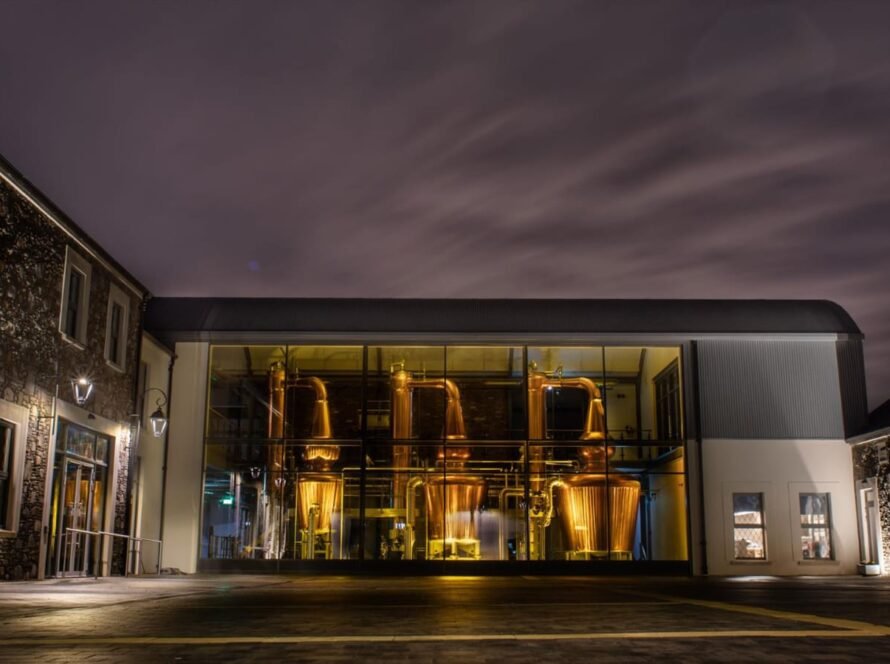
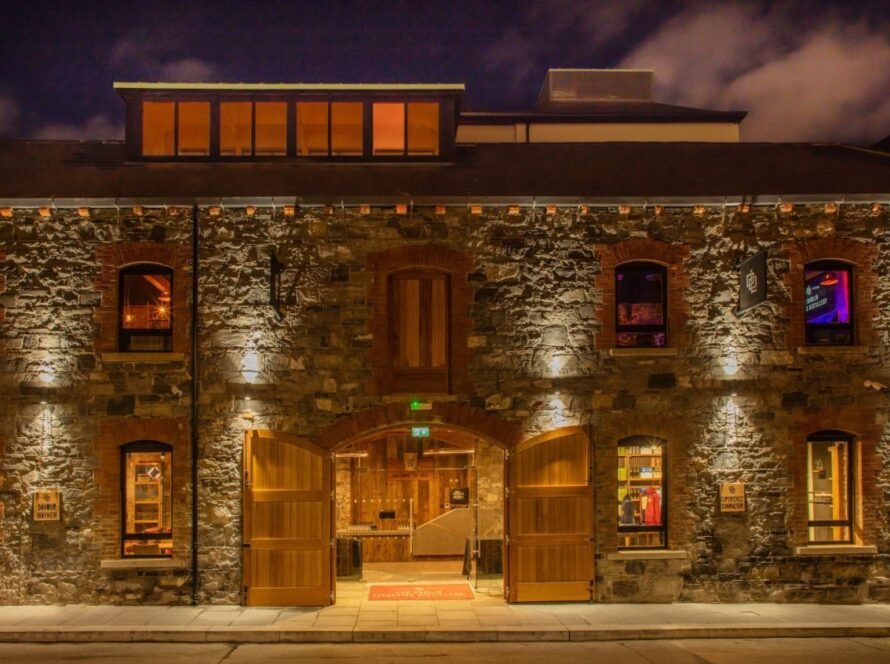
For generations, whiskey was more of a drink than a discussion about wealth. That has changed. In recent years, Irish whiskey has quietly moved from bar shelves into the world of investment portfolios. What was once a heritage craft is now an international asset class attracting collectors, investors, and traditional financial planners alike.
The story of Irish whiskey’s rise as an investment is one of revival, resilience, and smart timing. To understand why so many are looking toward this amber liquid as a long-term store of value, it helps to start with where it all began.
A Short Look Back
Only a few decades ago, the Irish whiskey industry was on life support. In the 1980s, there were fewer than five distilleries on the entire island. Scotch had global dominance, American bourbon had its loyal following, and Irish whiskey was barely holding on.
Then something unexpected happened. Small distillers began to re-emerge. Independent producers and family-run businesses started crafting whiskey the old-fashioned way, and curiosity turned into demand. By 2025, Ireland had more than forty active distilleries, with new projects still being planned. Exports have grown steadily for more than ten consecutive years, and Irish whiskey now sells in over 140 countries.
That turnaround has created a perfect foundation for investors seeking something more tangible than stocks and numbers on a screen.
Why Whiskey Became an Investment Asset
Unlike most traditional investments, whiskey is a physical product that naturally matures and improves over time. Every year that passes, a cask becomes rarer and more refined. Supply is limited by nature: once a distillery fills a cask, that exact batch can never be replicated. This scarcity is what turns a cask from a drink into a potential store of value.
There is also a simple truth that appeals to many investors, people around the world are drinking more whiskey than ever before. Global demand for premium Irish spirits continues to rise, and with each bottle that gets opened, the total supply of aged whiskey falls. That natural balance between demand and scarcity drives steady price growth over the long term.
It is not speculation, it is maturation. While markets rise and fall, whiskey quietly works away in the barrel.
The Role of Irish Heritage
Irish whiskey carries something that few other assets can offer: cultural identity. It is steeped in heritage, storytelling, and craftsmanship. The industry supports local farmers, cooperages, and distillers, and has become an export symbol of Ireland itself.
Investors are not just buying a product; they are preserving a tradition. Many people see whiskey as a way to own a small piece of Irish history while participating in a growing market. That emotional and cultural connection makes it a uniquely satisfying investment.
Numbers Behind the Growth
Recent data from industry bodies shows that Irish whiskey exports have increased by over 300 percent in the last decade. The United States, Canada, and European markets remain strong, while Asia has emerged as a new frontier.
Some analysts forecast that the value of aged Irish whiskey could continue to grow at around 8 to 10 percent annually, depending on age and rarity. Premium bottles and limited releases have outperformed even those estimates.
What does that mean for investors? It means a stable, asset-backed opportunity with global liquidity and a real-world product at its core.
Accessibility for Private Investors
For years, whiskey investment was reserved for trade insiders or collectors with direct access to distilleries. That has changed too. Today, private investors can legally own casks of Irish whiskey stored in bonded warehouses, with full insurance and registration in their name.
Companies like Whiskey Cask Investments make it possible for anyone to participate, whether they want a single cask or a diversified portfolio. The process is transparent, straightforward, and supported by documentation at every stage. That accessibility has opened the market to a new generation of investors who value clarity and control.
How the Process Works
Investing in whiskey is surprisingly simple once you understand the steps.
First, you choose your cask. It could be new-make spirit or a maturing barrel already partway through its aging cycle. Each option has its own advantages depending on your goals.
Next, the cask is stored in a secure, government-bonded warehouse in Ireland. That means taxes are deferred until bottling or sale. The whiskey remains under controlled conditions, monitored by experienced warehouse operators.
Throughout the maturation period, the whiskey’s character deepens and its market value typically rises. When the time feels right, you can sell the cask to another investor, sell to a bottler, or even bottle it for personal use. It is one of the few investments where patience truly rewards the holder.
Comparing Whiskey to Traditional Assets
Stocks can fluctuate wildly. Property can be illiquid and expensive to maintain. Whiskey casks, on the other hand, are relatively low-maintenance once purchased and stored correctly.
Their value is not tied to daily market sentiment but to the natural process of maturation and global demand for aged spirit.
Of course, whiskey is not immune to risk. Prices can vary by distillery reputation, age, and bottling quality. That is why investors are advised to work with reputable firms that source from verified Irish distilleries and ensure full ownership documentation.
The Appeal of Tangible Assets
Many modern investors are looking for physical alternatives to digital wealth. Owning something tangible provides reassurance in uncertain economic times. Gold, art, and fine wine have all filled that role in the past. Now whiskey joins the same category but with an advantage, it improves with age and carries a strong consumer market behind it.
There is something comforting about knowing your investment is aging gracefully in a real cask somewhere in Ireland rather than sitting as a number on a brokerage app.
Environmental and Economic Sustainability
Irish distilleries have also made major strides in sustainability. Many now operate with renewable energy, reuse water, and source local grain. That focus on responsible production strengthens the industry’s reputation and long-term stability.
The investment ecosystem benefits too. Warehouses are fully regulated, insurance standards are improving, and transparency across the supply chain continues to increase. It is no longer a niche idea but an organised market with genuine oversight.
Famous Examples of Growth
Some of the earliest cask investors have already seen their returns realised. Casks purchased for a few thousand euros a decade ago have since sold for several times that amount. Limited edition releases and private bottlings continue to set records at auction houses around the world.
These stories encourage new investors, but they also remind everyone that whiskey is not about quick wins. It is a slow, patient process built on trust, time, and authenticity.
How Investors Can Get Started
Getting started does not require financial expertise, just curiosity and guidance. A good whiskey investment partner will:
- Help you understand the different cask types and distilleries.
- Provide verified documentation of ownership.
- Arrange storage in a bonded, insured facility.
- Keep you updated on your cask’s progress.
- Assist with sale or bottling when the time comes.
The goal is to make the experience as clear and secure as possible while keeping it enjoyable. After all, part of the appeal is being connected to something real.
The Emotional Side of Whiskey Investment
Beyond returns, whiskey has an emotional pull. Investors often visit the warehouses, sample their maturing spirit, and take pride in owning something that represents craft and heritage. Many even bottle a few litres for personal use or special occasions, leaving the rest to continue appreciating.
It is rare to find an investment that can be both sentimental and strategic.
The Future of Irish Whiskey Investments
The next decade looks promising. Demand is expected to keep climbing, particularly in North America and Asia. Distilleries are investing in capacity but still cannot produce aged whiskey overnight. It takes years of maturation before new spirit is ready for bottling, which means scarcity will remain a natural part of the market.
As transparency improves and more investors participate responsibly, Irish whiskey is positioned to become a recognised alternative asset class worldwide. It combines heritage, patience, and consistent performance, qualities that few modern investments can claim.
Final Thoughts
The rise of Irish whiskey investments shows how tradition and finance can meet in a way that feels both authentic and forward-looking. It is not a trend; it is the rediscovery of something Ireland has always done well.
For investors who value security, tangible ownership, and a story they can be proud of, whiskey offers something rare, an asset that matures beautifully while time does the hard work for you.
If you are considering adding a whiskey cask to your portfolio, start by learning, ask questions, and choose partners who value transparency as much as you do. The rewards may come slowly, but like a fine Irish whiskey, they are worth the wait.
Frequently Asked Questions
Is Irish whiskey really a good long term investment?
Irish whiskey has shown steady growth for more than a decade, supported by global demand and limited aged supply. While no investment is guaranteed, properly managed casks have historically performed well.
How long should I hold a whiskey cask before selling?
Most investors hold for five to ten years. Younger spirit benefits from time in wood, and value tends to rise as the whiskey matures. Older casks can offer a shorter hold period.
Do I own the cask or just the liquid inside it?
You own the liquid in the cask, and the warehouse registers that ownership in your name. Documentation confirms the cask ID, location, and your legal control of the asset.
Where is the whiskey stored while it matures?
Casks remain in secure, revenue approved bonded warehouses in Ireland. These facilities control temperature, safety, and insurance while the whiskey develops its character.
Can I visit my cask in the warehouse?
Yes, many warehouses allow visits by appointment once ownership is confirmed. It is a great chance to see your cask in person and learn more about the maturation process.
How do I sell my cask when the time is right?
You can sell privately to another investor, sell to a bottler, or request help from your investment partner. A sample and a regauging report will usually support the sale.
What ongoing costs should I expect?
Annual storage and insurance are the main recurring fees. Sampling, regauging, and bottling services may have small additional charges. All fees should be transparent from the start.
Can the whiskey be bottled for personal use?
Yes, you can choose to bottle some or all of your cask. The process must be completed through an approved bottling partner, and excise duty and VAT will apply.
Is whiskey investment risky?
All real assets carry some risk. Market demand can shift, evaporation reduces volume each year, and not all distilleries perform the same. Working with reputable partners reduces unnecessary uncertainty.
How do I start investing in my first cask?
Begin by discussing your budget and timeframe with a specialised whiskey investment team. They will present suitable cask options, explain all costs, and guide you through the purchase and registration process.