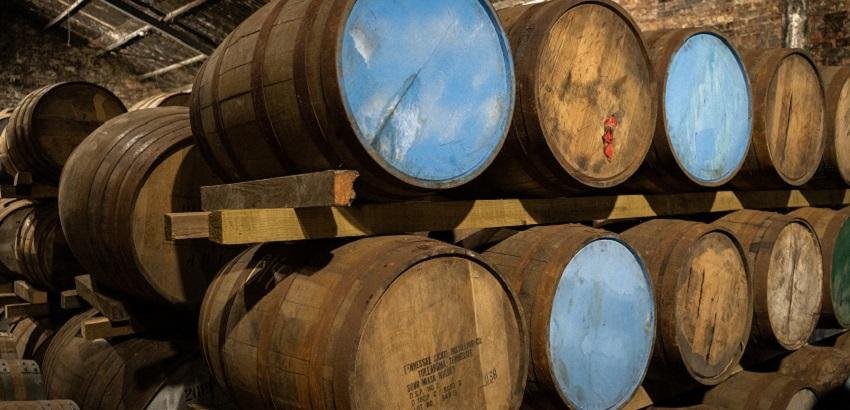
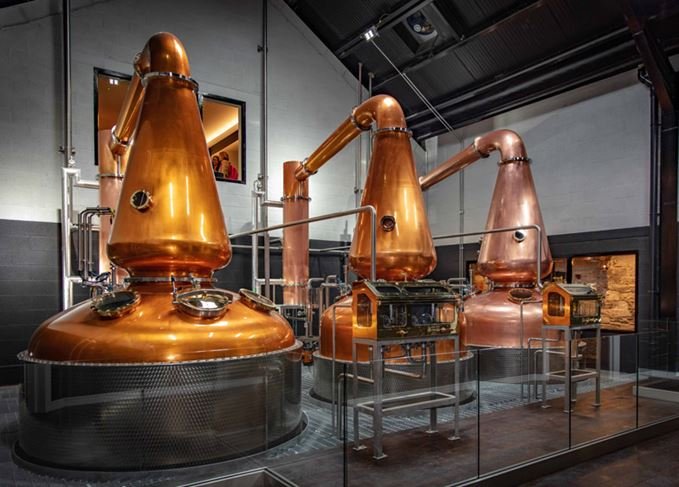
Buying a whiskey cask in Ireland sounds romantic at first glance. Oak barrels resting in dark warehouses, years of quiet ageing, and the promise of a future bottle that carries your own story. Yet behind that image sits a very practical and structured process. It is not complicated, but it does follow clear steps that protect both the buyer and the spirit. Understanding those steps turns what might feel mysterious into something calm, organised, and surprisingly accessible.
At its core, purchasing a cask is about ownership of maturing spirit that remains in regulated storage until you decide what to do next. You are not taking the barrel home. You are not bottling it straight away. You are becoming the registered owner of a specific cask that continues to mature in a bonded Irish warehouse.
Step One, Understanding What You Are Actually Buying
The first shift in thinking is this. You are buying spirit in wood, not finished whiskey in bottles. The liquid inside the cask may be only a few years old, or it may already have significant age. Either way, it will continue to mature after purchase.
Each cask has its own identity. It will have a fill date, a cask type such as bourbon or sherry seasoned oak, a current alcohol strength, and a warehouse location. These details matter more than brand names or marketing language. They define what the spirit is today and what it can become tomorrow.
Before any money changes hands, you should receive clear written information about these points. A trustworthy seller never hides basic facts about the cask.
Step Two, Choosing A Distillery And Cask Style
Ireland now has dozens of operating distilleries, each producing spirit with a slightly different character. Some are light and fruity. Others are rich and spicy. This choice shapes the future identity of your cask.
Wood type also plays a major role. A former bourbon barrel often gives vanilla and honey notes. A sherry seasoned cask can bring dried fruit and deeper colour. Neither is better in every situation. It depends on your preference and your intended holding period.
At this stage, you are not chasing perfection. You are selecting a solid foundation. Think of it like choosing soil before planting a tree. The quality of that base affects everything that follows.
Step Three, Agreeing The Purchase Terms
Once you select a specific cask, the seller prepares a purchase agreement. This document outlines the cask details, the price, the warehouse where it will remain stored, and the basic rights of ownership.
It should also clarify that the cask will stay in bond. This means it remains under excise control and no tax is paid unless the spirit is removed for bottling. Staying in bond keeps costs lower during maturation and maintains regulatory compliance.
Read this agreement slowly. Good sellers encourage questions. If something is unclear, ask. Buying a cask is not a race.
Step Four, Transfer Of Ownership In The Warehouse
Payment alone does not make you the legal owner. Ownership is only complete when the bonded warehouse records your name against that specific cask number.
After purchase, the warehouse issues confirmation of beneficial ownership. This is one of the most important pieces of paper you will receive. It proves that the cask exists, that it is stored in an approved facility, and that you are the recognised owner of the spirit inside it.
Without this warehouse confirmation, ownership is incomplete. Always wait for it and keep it safe.
Step Five, Insurance And Ongoing Storage
Your cask will remain in the bonded warehouse for years. During that time it needs insurance and secure storage. Warehouses charge an annual fee that covers space, handling, and basic administration.
Insurance normally protects the spirit against damage or loss while it remains in bond. The cost is modest compared to the value it safeguards. These ongoing fees are part of cask ownership and should be understood from the start.
Nothing dramatic happens here. The cask simply rests, slowly changing inside the wood.
Step Six, Letting The Whiskey Mature
After purchase, the most important action is patience. Maturation is not something you manage day to day. It happens quietly through natural interaction between spirit and oak.
Each year a small amount evaporates. This is known as the angel share. What remains becomes more concentrated in flavour. The colour deepens. Harsh edges soften.
This period can feel uneventful, but it is where value is created. Older whiskey is rarer because many casks are bottled earlier. Simply allowing time to pass moves your cask into a smaller and more desirable category.
Step Seven, Optional Sampling And Regauging
At certain points you may request a sample. This allows you to taste how the spirit is developing. It is not mandatory, but many owners enjoy the experience.
Regauging is a formal measurement of the current volume and alcohol strength. Buyers often want recent regauging data before purchasing a cask, so arranging this closer to a sale makes sense.
These checks should not be frequent. Too much disturbance is unnecessary. Think of them as milestones rather than routine tasks.
Step Eight, Understanding Your Future Options
Owning a cask does not lock you into one outcome. You have three main paths when the spirit reaches a suitable age.
You can sell the cask in bond to another investor or to a trade buyer such as a bottler. In this case the spirit never leaves bonded storage and no excise duty is triggered at the point of sale.
You can bottle the whiskey for personal use. This requires removal from bond, payment of excise duty and VAT, and use of an approved bottling facility.
Or you can continue maturing the cask for longer, accepting additional storage costs in exchange for potential further development and rarity.
Knowing these options early helps guide how long you choose to hold.
Step Nine, Preparing For Sale
When you decide to sell, preparation matters. Recent regauging and a fresh sample make the cask easier to assess for potential buyers.
Clear documentation becomes vital here. Purchase records, warehouse ownership confirmation, and any updates over the years support confidence. Buyers pay more readily for casks with clean, traceable histories.
The actual sale is normally arranged through a broker, a specialist platform, or direct trade contacts. Payment is completed only after the warehouse records the transfer of ownership to the new buyer.
Step Ten, If You Choose To Bottle
Bottling is more involved than selling in bond, but it can be deeply satisfying. The cask is transported to an approved bottling plant where the whiskey is filtered, reduced to your chosen strength if required, and filled into bottles.
You will need label design that meets legal standards, plus payment of excise duty and VAT before the bottles can be released. The result is your own limited run of Irish whiskey, tied directly to the cask you owned.
Some owners bottle everything. Others bottle part and sell the rest. Both approaches are valid.
Common Misunderstandings To Avoid
A cask purchase does not mean you can collect the barrel or store it privately. It must remain in a bonded warehouse until bottling.
Owning a cask does not give the right to use a distillery name freely on commercial labels. Branding rules still apply.
And buying a cask is not a short term trade. It is designed for multi year holding. Expecting quick resale usually leads to disappointment.
The Importance Of Choosing The Right Partner
While the process itself is structured, guidance from an experienced partner makes each step smoother. A good provider explains costs clearly, communicates with the warehouse on your behalf, and helps you understand timing rather than pushing you toward early action.
Trust is built through paperwork and transparency, not promises of guaranteed returns.
A Calm And Orderly Journey
From the outside, whiskey cask ownership can look mysterious. In reality, it is orderly and regulated. You select a cask, complete a purchase, register ownership in a bonded warehouse, pay modest annual storage, and allow time to work.
Years later you decide whether to sell, bottle, or continue maturing. Every stage has clear rules and simple documentation.
The magic of whiskey remains in the flavour and heritage, but the buying process itself is grounded, methodical, and accessible to anyone willing to proceed patiently.
Buying a whiskey cask in Ireland is less about chasing opportunity and more about stepping into a long story. Once ownership is properly recorded and the cask begins its quiet rest in the warehouse, the most important part is already done. Time takes over, and your role becomes one of thoughtful observation rather than constant action.