Whiskey cask investment has moved from a specialist corner of the spirits world into a topic that serious investors now explore with real interest. It sits somewhere between craft and finance, combining patience, ownership, and long term thinking. For newcomers, the idea can feel unfamiliar at first. What exactly do you own, how does value grow, and what decisions matter most along the way? This guide breaks the entire process down clearly, from the moment a cask is purchased to the point where it is sold, bottled, or passed on.
What Whiskey Cask Investment Actually Is
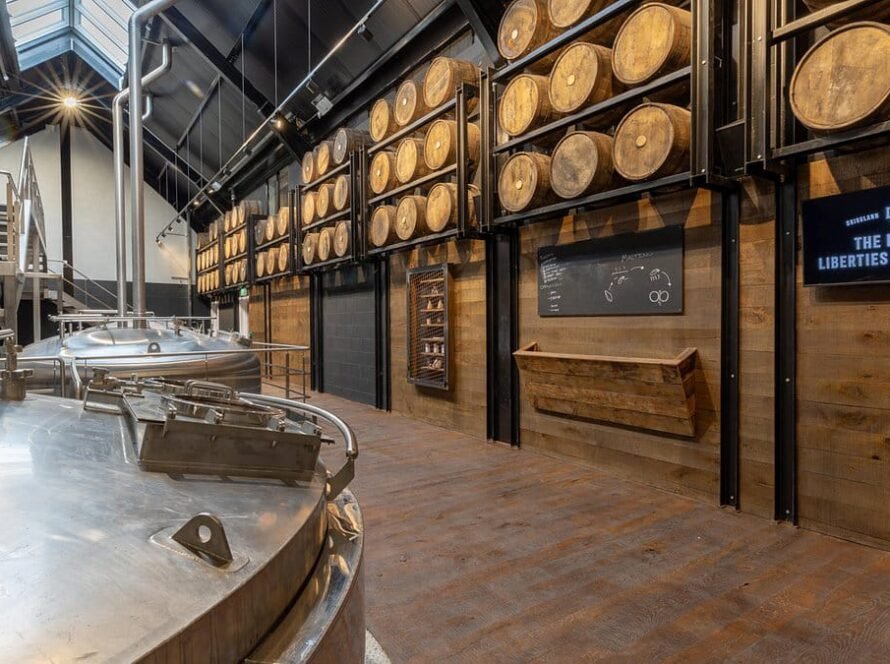
At its core, whiskey cask investment means owning a barrel of maturing whiskey rather than finished bottles. The spirit rests inside oak for years, sometimes decades, developing flavour and character over time. During this period, the cask remains stored in a bonded warehouse under regulated conditions.
Unlike bottle collecting, cask ownership gives investors flexibility. The whiskey is not locked into a finished product. It can be sold as a cask, bottled privately, or left to mature further. The value comes from age, rarity, and demand for mature spirit, not from branding or packaging.
Why Investors Are Drawn to Whiskey Casks
Many investors look to whiskey because it behaves differently from traditional assets. It does not move with stock markets. It does not rely on rental income. It does not demand constant monitoring.
Time is the main driver. Each year of ageing reduces supply and increases desirability, provided the spirit quality is sound. This natural progression appeals to people who prefer long term strategies over short term activity.
There is also a tangible element. A cask exists physically, stored in a known location, with ownership recorded. That sense of reality matters to many investors.
Understanding Bonded Warehouses
All whiskey casks are stored in bonded warehouses. These facilities operate under revenue regulations and are designed specifically for spirit maturation. Temperature, humidity, and handling are carefully controlled.
Storing whiskey in bond means taxes are deferred while the spirit matures. Excise duty and VAT only apply if the whiskey is bottled and released for consumption. This system allows whiskey to age without tax pressure and supports long term holding.
Warehouse documentation plays a key role in investment. Ownership records, location details, and cask identifiers must be accurate and up to date. Buyers rely on this paperwork when evaluating a cask for purchase.
Types of Whiskey Casks
Not all casks are the same, and differences matter.
American oak barrels are the most common. They often previously held bourbon and tend to impart vanilla, caramel, and soft spice notes.
Sherry casks are prized for their influence on flavour. They can add dried fruit, richness, and depth, and often command higher interest from buyers.
Other finishes exist, such as port, wine, or rum seasoned barrels. These can produce distinctive profiles but may appeal to a narrower audience.
Choosing a cask is about balance. Wood type, spirit style, and intended holding period all influence future demand.
Age and Its Impact on Value
Age is one of the strongest drivers of cask value. Younger spirit is more plentiful. Older spirit is scarce. That scarcity grows each year as casks are bottled or sold.
However, age alone is not enough. The quality of the distillate and how it interacts with the wood matter just as much. Some casks peak earlier than others. Understanding this is part of investing wisely rather than assuming longer is always better.
Most investors plan to hold for several years, often five to ten or more. This allows the spirit to move into more desirable age categories without excessive storage costs.
The Role of Evaporation
As whiskey matures, a small amount evaporates each year. This is known as the angel share. While volume decreases, flavour concentration increases.
Evaporation is normal and expected. It reduces total litres but often enhances quality. Buyers factor this into valuation, which is why regauging is important later in the investment cycle.
Sampling and Regauging Explained
Sampling involves taking a small amount of whiskey from the cask to assess flavour development. It helps investors understand how the spirit is progressing.
Regauging measures the remaining volume and alcohol strength. This data becomes important when preparing for sale, as buyers want accurate, current figures.
These checks are not required every year. They are usually done strategically, closer to potential exit points or when considering bottling.
How Whiskey Casks Are Valued
Cask valuation is based on several factors rather than a single number.
Age, spirit quality, wood type, distillery reputation, remaining volume, and current market demand all play a role. There is no public price list. Valuation relies on comparable sales, buyer interest, and professional judgement.
This is one reason whiskey investment rewards patience. Owners who allow their cask to reach attractive age ranges often benefit from stronger interest.
Exit Options for Investors
When the time comes, investors have several choices.
Selling the cask in bond is the most common route. The buyer takes ownership of the cask and continues maturation or bottles it themselves.
Private bottling allows owners to create a personal release. This involves additional costs such as excise duty, bottling fees, and packaging, but can be appealing for gifting or commemorative purposes.
Some investors choose to continue maturing if the spirit shows promise and market conditions remain favourable.
There is no single correct exit. The best option depends on goals, costs, and timing.
Risks to Be Aware Of
Whiskey cask investment is not risk free. Spirit quality varies. Market preferences can change. Regulatory rules must be followed carefully.
Evaporation reduces volume, and storage costs continue each year. Poor documentation can complicate sales. These risks are manageable, but they should be understood from the outset.
The key is clarity rather than fear. Investors who know what they own and why they own it tend to navigate the process calmly.
Who Whiskey Cask Investment Suits
This form of investment suits people who value patience and tangible assets. It is well suited to those who are comfortable holding for the long term and do not need quick liquidity.
It may not suit investors seeking fast returns or frequent trading. Whiskey moves at its own pace.
Many first time investors start with a single cask. As confidence grows, some expand their holdings gradually.
The Importance of Guidance
While whiskey cask investment is conceptually simple, guidance matters. Understanding warehouse systems, documentation, and market timing reduces uncertainty.
Good guidance supports better decision making without removing control. Investors remain in charge, but with clearer information.
Final Thoughts
Whiskey cask investment is not about speculation. It is about ownership, time, and understanding how value develops quietly. The spirit matures whether markets are calm or chaotic. Scarcity increases naturally. Demand for quality Irish whiskey continues to grow.
For those willing to think long term, whiskey casks offer a rare blend of craft, patience, and tangible value. This guide provides the foundation. The rest is a matter of choosing wisely and allowing time to do its work.
FAQs
How is whiskey cask investment different from bottle collecting?
Bottle collecting focuses on branding and condition, while cask investment focuses on maturation and scarcity. A cask continues to develop and offers multiple exit options, whereas bottles are finished products with limited flexibility.
Do whiskey casks have a minimum legal ageing period?
Yes. Irish whiskey must mature in wooden casks for at least three years before it can legally be called whiskey. Most investment casks are held much longer to reach desirable maturity levels.
Can the flavour of a cask change unpredictably?
Flavour development follows patterns, but wood interaction can vary. This is why occasional sampling is useful. It helps investors understand how the spirit is evolving rather than relying on assumptions.
Are all distilleries suitable for investment casks?
Not necessarily. Some distilleries produce spirit aimed at short term bottling rather than long maturation. Investment focused casks usually come from distilleries known for consistent quality and long ageing potential.
Is it possible to own part of a whiskey cask?
Some arrangements allow shared ownership, but full cask ownership offers clearer documentation and easier exit options. Partial ownership can add complexity when selling or bottling.
How long does it take to sell a whiskey cask?
Selling time varies. Some casks attract buyers quickly, while others require preparation such as regauging or sampling. Having accurate documentation speeds up the process significantly.
Does the location of the warehouse affect investment value?
Warehouse conditions can influence maturation, but buyers are usually more concerned with compliance, documentation, and spirit quality than exact geographic location.
Can whiskey cask investment be included in long term estate planning?
Yes. Casks can be transferred through standard legal processes, making them suitable for inheritance planning or long term family ownership.
Are storage fees fixed for the life of the cask?
Storage fees can change over time depending on warehouse costs and insurance rates. Investors should review these periodically as part of long term planning.
Is whiskey cask investment regulated?
Yes. Bonded warehouses, distilleries, and cask movements operate under strict revenue regulations. Proper compliance protects both the investor and the integrity of the asset.