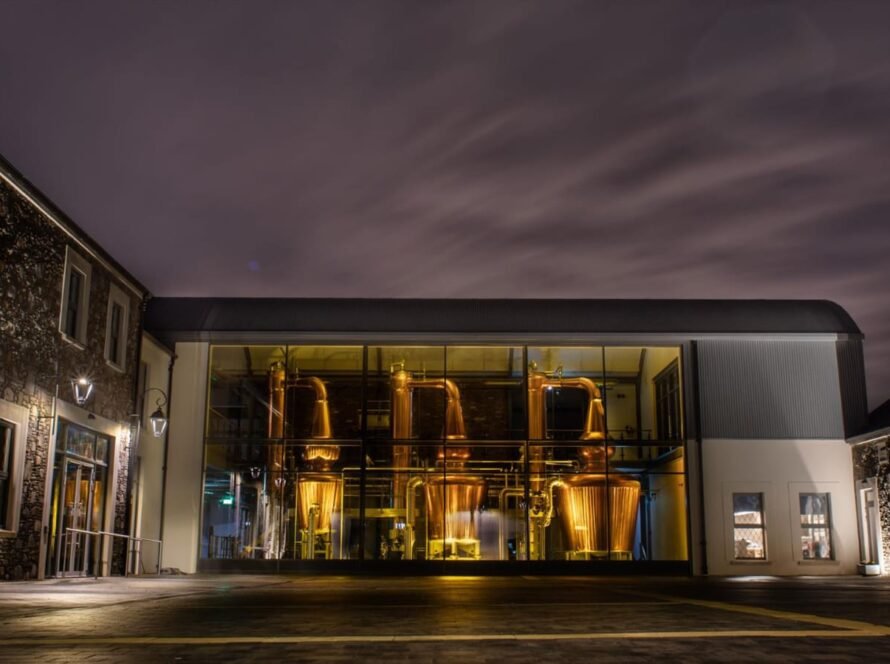
When people hear the word investment, they often picture fast moving charts, daily headlines, and numbers that change by the minute. Whiskey sits in a completely different world. A cask of spirit rests in a quiet warehouse, sealed inside oak, slowly transforming over years rather than hours. Nothing dramatic happens overnight, yet something important is always happening. Flavour deepens. Rarity increases. Demand quietly builds. This slow rhythm is one of the main reasons investors have started asking a serious question. Can whiskey be considered a safe long term investment?
The answer is not a simple yes or no. Like any asset, whiskey carries risk. At the same time, it offers qualities that many traditional investments do not. Understanding both sides is the key to judging its safety.
What Safety Means in Investing
Safety in investing rarely means guaranteed profit. It usually means protection from sudden loss. A safe investment is one that does not collapse overnight because of panic, rumours, or a single event. It moves gradually. It is supported by real demand rather than speculation alone.
Whiskey fits this description in an unusual way. A maturing cask is a physical object stored under strict conditions. It cannot be erased by a market crash or diluted by a software error. Its existence is steady and provable. That physical stability is the foundation of its perceived safety.
Yet safety also depends on how value is created. Whiskey does not generate income while you hold it. There are no dividends. No rent. Instead, value builds through time, ageing, and scarcity. The investor relies on future demand rather than present yield.
The Power of Maturation
A young spirit is common. An older one is rare. This simple fact shapes the long term case for whiskey. Each year of ageing reduces the total supply of casks that reach that age. Some are bottled early. Some are sold. Some lose too much volume to remain practical. What remains becomes increasingly valuable to buyers who need mature stock.
This predictable shrinking of supply acts like a natural support for value. Unlike industries that can increase production quickly when demand rises, whiskey must wait. Ten years cannot be produced in five. That built in delay creates scarcity, and scarcity protects against oversupply.
From a safety perspective, this matters. It means that even if new distilleries open and production grows, the pool of older whiskey will remain limited for many years.
Demand That Has Real Depth
Safety also depends on buyers. Whiskey is not an abstract asset traded only by investors. It is a product people drink, collect, gift, and celebrate. Demand comes from several directions at once.
Collectors search for rare bottles. Distilleries look for older casks to finish special releases. Independent bottlers seek distinctive spirit to bring to market. Enthusiasts around the world increasingly prefer premium Irish whiskey over generic alternatives.
This layered demand reduces reliance on a single type of buyer. If one group slows down, another may remain active. That diversity supports long term stability.
Independence from Financial Markets
One of whiskey’s strongest safety features is its separation from traditional financial cycles. Interest rate changes do not directly affect it. Currency swings may influence export pricing, but they do not change the spirit inside the cask. Stock market volatility does not make whiskey age faster or slower.
For investors who already hold shares or property, whiskey can act as a counterbalance. It does not follow the same patterns, which can reduce overall portfolio risk. This independence does not guarantee profit, but it lowers the chance that all assets decline at once.
Predictable Costs and Clear Structure
Safe investments tend to have understandable costs. Whiskey ownership is relatively straightforward. Storage and insurance are charged annually by the bonded warehouse. Occasional sampling or regauging adds small service fees. There are no surprise maintenance bills or complex management expenses.
Knowing future costs in advance helps investors plan calmly. Safety grows when uncertainty shrinks. Investors can estimate how long they are comfortable holding without facing sudden financial pressure.
Where the Risks Appear
No honest assessment can ignore the risks. Whiskey value depends on future buyers. If demand for a specific style or distillery weakens, resale may take longer or require a lower price. Markets change. Tastes evolve.
There is also the cost of time. While a cask matures, storage fees continue. If an investor needs quick liquidity, whiskey is not ideal. Sales take preparation, documentation, and negotiation. Safety here means patience, not speed.
Evaporation reduces volume each year. This is natural and expected, yet it still affects eventual yield. A poorly chosen cask may mature less attractively than anticipated. Not every spirit becomes exceptional.
These risks do not make whiskey unsafe, but they show that safety depends on selection and realistic expectations.
The Importance of Quality at the Start
A safe long term outcome begins with a strong cask. Spirit from a respected distillery, stored correctly, and filled into quality wood has a far better chance of developing desirable character. Weak inputs rarely become strong outputs.
Investors who focus on reputable sources reduce uncertainty. Documentation matters. Clear warehouse records, verified ownership, and proper insurance protect both value and confidence.
In this sense, whiskey safety is not passive. It is built through careful choice at the beginning.
Liquidity and Timing
Safety often includes the ability to sell when needed. Whiskey is liquid in the long term, not the short term. Buyers exist, but transactions are deliberate rather than instant.
This slower pace actually protects value. Quick selling pressure rarely floods the market. Casks change hands through considered deals rather than panic driven trades. Prices move gradually.
For investors who can wait for the right moment, this slower liquidity supports stability. For those who need immediate cash, it can feel restrictive. Safety therefore depends on matching the investment to personal time horizons.
Regulatory Protection
Whiskey stored in bond sits within a regulated framework. Ownership records are maintained. Movement of casks follows revenue rules. Insurance covers loss or damage. This structure reduces operational risk.
Regulation may add paperwork, yet it also adds security. Investors know where their asset is, who holds it, and under what conditions. Transparency discourages fraud and supports trust between buyers and sellers.
Long Term Track Record
Irish whiskey has already shown the ability to appreciate over long periods. Older bottles and casks from past decades now command strong prices because supply dwindled while demand expanded. This historical pattern supports the argument for safety.
Past performance never guarantees future results, but consistent growth over many years suggests resilience rather than fragility.
A Different Kind of Stability
Whiskey stability is not visible day to day. There are no live tickers. Instead, stability appears in the slow narrowing of supply and the steady widening of global appreciation. Investors who check value annually rather than hourly often find comfort in this rhythm.
This slower pace reduces emotional decision making. Without constant price signals, owners rely on measured judgement rather than reaction. That behavioural calm is itself a form of safety.
Comparing Whiskey to Traditional Safe Assets
Gold has long represented security because it is tangible, scarce, and globally recognised. Whiskey shares these traits but adds development. Gold remains unchanged while you hold it. Whiskey improves through ageing.
Property provides physical presence but requires active management and can suffer sudden price swings. Whiskey needs no tenants and rarely experiences abrupt value drops.
Government bonds offer reliability but limited growth. Whiskey carries more upside potential, balanced by patience rather than predictability of income.
Each asset has strengths. Whiskey’s strength lies in tangible scarcity combined with gradual enhancement.
When Whiskey Feels Safe
Whiskey feels safest for investors who can commit to time, choose quality, and accept measured outcomes. It suits those who prefer quiet growth over rapid turnover. Safety appears not in guarantees but in structure, scarcity, and independence from market noise.
Investors who expect quick profits may see risk where patient investors see protection.
The Human Factor
Safety is also psychological. Knowing that an asset exists physically in a secure warehouse offers reassurance that numbers on a screen cannot provide. Owners can visit, sample, and witness development. This tangible connection builds confidence.
Confidence does not replace analysis, but it supports long term discipline. Investors who feel grounded are less likely to make impulsive decisions.
Final Thoughts
Whiskey is not risk free, yet it possesses several qualities that make it feel secure over long horizons. Tangible ownership, natural scarcity, diversified demand, regulatory protection, and independence from financial turbulence all contribute to its reputation as a steady store of value.
Its safety comes from patience. Time transforms spirit into rarity. Rarity attracts buyers. Buyers sustain value. For investors prepared to let years pass rather than minutes, whiskey can provide a calm and credible path through uncertain markets.
In the end, whiskey rewards those who think slowly. For them, long term safety is not found in speed but in stillness.