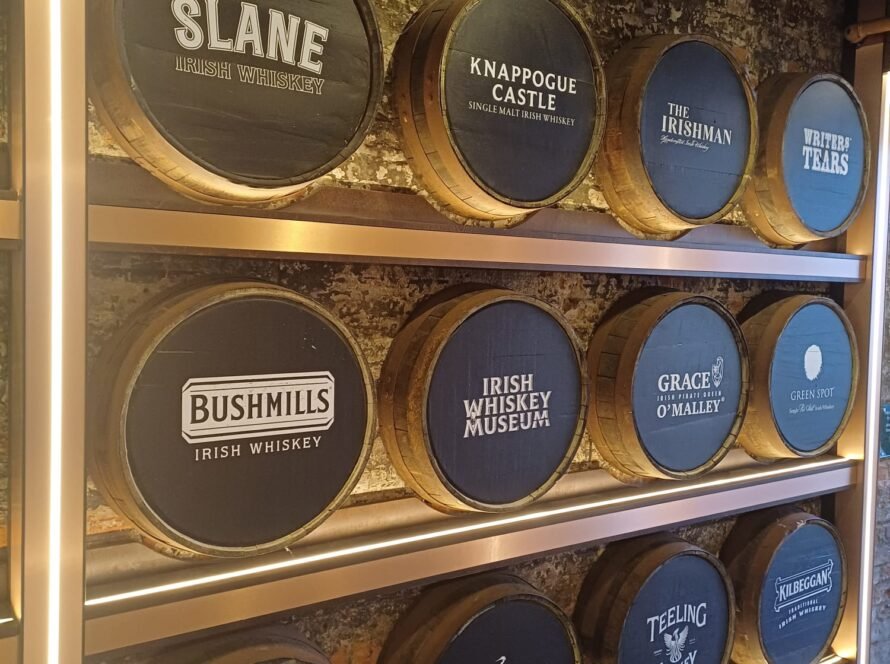
Irish whiskey has gone through a quiet transformation over the past couple of decades. What was once seen as a simple, everyday spirit has become a global product with serious interest from collectors, enthusiasts, and long term investors. New distilleries are opening, older stocks are disappearing, and demand continues to grow in markets far beyond Ireland. Naturally, people are starting to ask whether Irish whiskey can play a role in a broader investment strategy.
If you are new to this world, it can feel overwhelming at first. There is a lot of marketing noise, plenty of bold claims, and no shortage of conflicting advice. The key is to slow down, understand how whiskey investment actually works, and approach it with patience rather than excitement.
Why Irish Whiskey Has Investment Appeal
At its core, whiskey investment is driven by supply and demand. Irish whiskey has both sides working in its favour. Production takes time, sometimes decades, which means supply cannot simply be increased overnight. At the same time, global interest in premium spirits has grown steadily, particularly in North America and Asia.
Another factor is history. Some distilleries have long track records and international recognition, while others are newer but producing limited runs that may never be repeated. Once a whiskey is bottled or a distillery changes direction, that moment in time is gone. Scarcity, when combined with quality, is what often drives long term value.
There is also the emotional element. Whiskey is tangible. You can see it, store it, taste it, and trace it back to where it was made. For many investors, that physical connection feels more real than digital assets or abstract financial products.
The Main Ways To Invest In Irish Whiskey
Before putting money down, it is important to understand the different approaches available. Each comes with its own costs, risks, and level of involvement.
Investing In Bottles
Bottle investing is often the easiest entry point. It usually involves buying limited editions, discontinued releases, or special bottlings and holding them with the intention of selling later.
This approach appeals to beginners because the upfront cost can be relatively low compared to other options. However, condition is everything. Original packaging, intact seals, and proper storage all play a major role in future value. A rare bottle stored poorly can lose its appeal very quickly.
It is also worth noting that whiskey does not improve once bottled. Unlike wine, it does not age further in the bottle. What you are really investing in is scarcity and reputation, not maturation.
Investing In Whiskey Casks
Cask investment sits at the other end of the spectrum. Instead of buying a finished product, you buy a cask of maturing spirit that is stored in a bonded warehouse. Over time, the whiskey develops flavour, character, and potentially value.
This route is more complex and usually requires a higher budget. There are storage fees, insurance costs, and legal documentation to consider. You also need to understand evaporation, known as the angels share, which means the volume in the cask slowly reduces over time.
Ownership documentation is critical here. A legitimate investment should clearly show that you own a specific cask, not just a promise or a share. If paperwork is vague or unclear, that should give you pause.
Managed Or Pooled Investments
Some investors prefer hands off options where a company manages selection, storage, and eventual sale. These can lower the barrier to entry but often come with management fees and reduced transparency.
This approach can suit people who want exposure to whiskey without deep involvement, but it requires trust. You need to understand how decisions are made, how assets are valued, and how exits are handled.
What Actually Drives Whiskey Value
Not all whiskey performs well as an investment. Certain factors tend to matter more than others.
Reputation is a big one. Distilleries with consistent quality and strong brand recognition generally attract more interest on the secondary market.
Age also plays a role, though older is not always better. Well matured whiskey from respected producers tends to perform best, while very young stock relies heavily on future demand.
Cask type influences both flavour and desirability. Some finishes are more popular with bottlers and collectors, which can affect resale potential.
Provenance matters too. Clear records of where the whiskey came from, how it was stored, and who owned it previously all add confidence for future buyers.
Setting Expectations And A Budget
One of the biggest mistakes newcomers make is expecting quick or guaranteed returns. Whiskey is a long term play. It should be viewed more like planting a tree than flipping a product.
Decide early how much you are comfortable investing and how long you are willing to wait. Bottle investments may tie up money for several years. Cask investments can run for a decade or more.
It is also wise to see whiskey as part of a wider portfolio rather than a replacement for traditional investments. Liquidity can be limited, and selling at the right time often requires patience.
Storage And Care Matter More Than People Think
Whether you are holding bottles or casks, storage plays a crucial role in protecting value.
Bottles should be kept upright, away from direct light, and in a stable environment with minimal temperature fluctuation. Damage to packaging or labels can significantly reduce appeal to collectors.
Casks should be stored in reputable bonded warehouses with proper insurance and oversight. Regular updates and documentation help ensure everything remains as expected over time.
Common Pitfalls To Avoid
There are a few warning signs that appear again and again in the whiskey investment space.
Promises of guaranteed returns should always be treated with caution. Markets move, tastes change, and no investment is risk free.
High pressure sales tactics are another red flag. A legitimate opportunity will still be there tomorrow. You should never feel rushed into a decision.
Be wary of paying premium prices for very young whiskey based purely on future predictions. Some will do well, others will not, and early performance is hard to forecast.
Independent advice can be invaluable, especially when dealing with large sums or long term commitments.
Tax And Legal Considerations
In Ireland, profits from whiskey investment may be subject to capital gains tax. The specifics depend on how the investment is structured and individual circumstances, so professional advice is strongly recommended.
Bonded storage allows whiskey to mature without excise duty being paid until bottling, which is standard practice. Understanding when and how taxes apply can prevent surprises later on.
Contracts, ownership rights, and jurisdiction should always be clear before committing funds.
Learning Before Buying Pays Off
The most successful investors are often those who spend time learning before acting. Tasting whiskey, attending events, following auction results, and reading industry news all build understanding.
Over time, patterns emerge. Certain styles gain popularity, certain producers build strong followings, and others fade from attention. That knowledge helps separate substance from hype.
Is Irish Whiskey Investment Right For You
Irish whiskey investment suits people who are patient, curious, and comfortable with long term horizons. It is not ideal for those seeking fast returns or low involvement.
For many, the appeal goes beyond profit. There is satisfaction in understanding the craft, following a cask or bottle over time, and being part of a living tradition.
Final Thoughts
Investing in Irish whiskey is not about shortcuts or guarantees. It is about understanding the product, respecting the time it takes to mature, and making informed decisions based on quality rather than noise.
Approached carefully, it can be a rewarding addition to a broader investment strategy. Rushed or misunderstood, it can quickly disappoint. The difference lies in patience, research, and realistic expectations.
If you take the time to learn first, the investment decisions tend to make much more sense later.