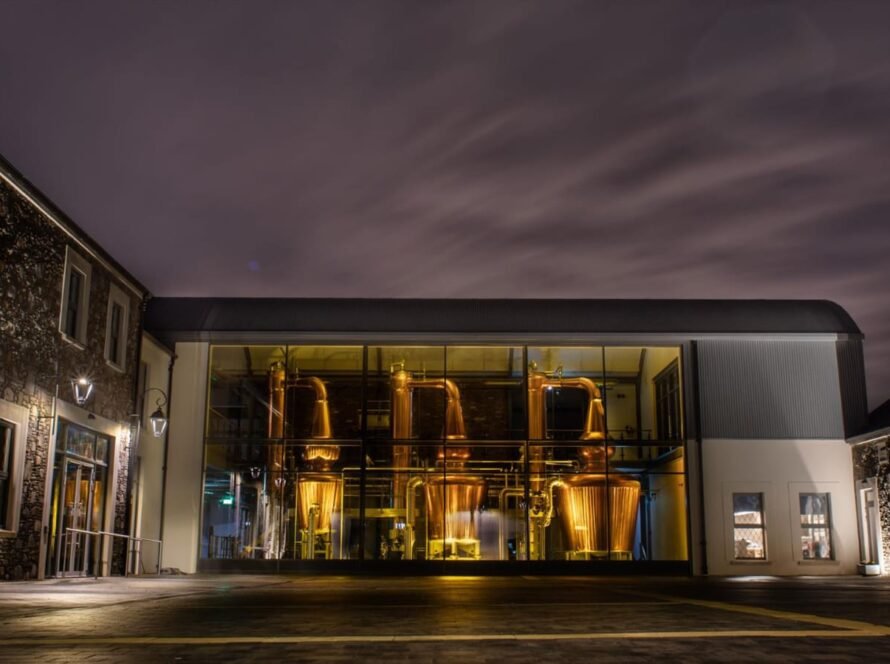
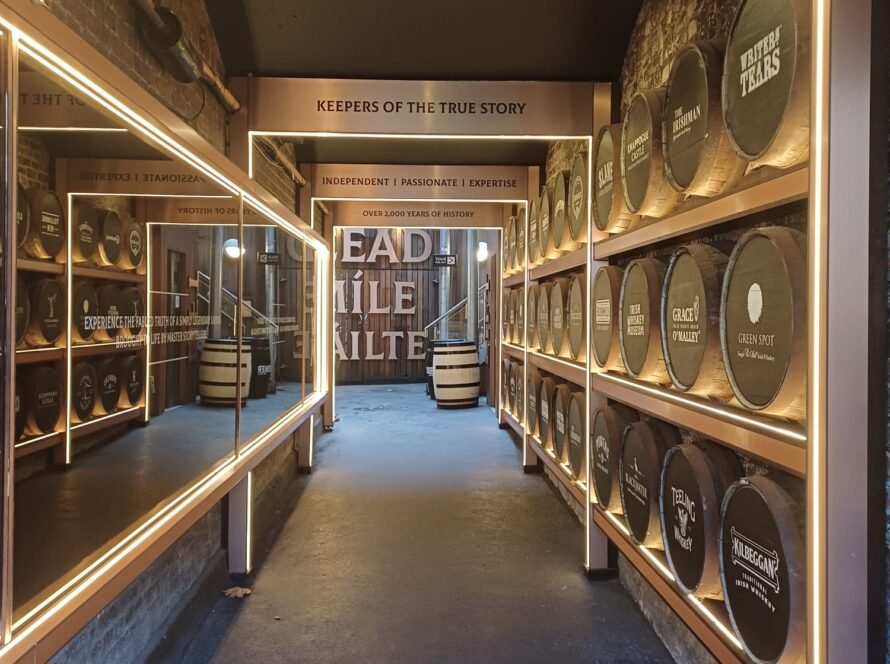
When people talk about investing in Irish whiskey, the conversation often jumps straight to bottles or casks. But behind every bottle and every cask is the real engine of value, the distillery itself. Understanding how Irish distilleries operate, how they differ from one another, and where they sit in their lifecycle can make a huge difference to investment decisions.
This is not about chasing famous names alone. In many cases, the most interesting opportunities come from understanding context rather than headlines.
Why Distilleries Matter More Than People Think
A distillery is not just a production site. It represents philosophy, scale, consistency, and long term intent. Two casks of the same age can perform very differently depending on where they were made and how that distillery is perceived in the market.
Reputation takes time to build. Distilleries that demonstrate consistency, careful production methods, and a clear identity tend to attract more attention from bottlers, collectors, and brands looking for mature stock in the future.
For investors, studying distilleries helps answer a crucial question. Will people still want whiskey from this producer in ten or twenty years.
Established Distilleries Versus New Entrants
Irish whiskey has seen a surge in new distilleries over the past decade. This has created a wide spectrum of opportunity, but also varying levels of risk.
Established distilleries offer familiarity. They usually have proven demand, international distribution, and historical pricing data. Whiskey from these producers tends to feel safer, particularly for conservative investors.
Newer distilleries, on the other hand, offer potential upside but less certainty. Early casks from a new distillery can perform exceptionally well if the brand gains recognition. They can also stagnate if demand never fully materialises.
Neither option is inherently better. The key is matching the distillery profile to your risk tolerance and time horizon.
Location And Regional Identity
Where a distillery is based can influence perception more than many beginners realise.
Some regions develop reputations for certain styles or qualities. Others benefit from tourism, heritage, or strong local identity. These factors feed into brand storytelling, which plays a role in long term value.
Distilleries that actively engage with visitors, promote transparency, and build a sense of place often develop stronger followings. Over time, that following translates into demand for both bottles and mature stock.
Production Philosophy And Scale
Not all distilleries aim for the same outcome. Some focus on high volume production with global reach. Others deliberately limit output to maintain exclusivity and craftsmanship.
From an investment perspective, scale affects scarcity. Smaller production runs can mean fewer casks available in the future, which may support higher demand if the whiskey gains recognition.
Production choices also matter. Decisions around fermentation length, still design, and cask policy influence flavour profiles. Distilleries with a clear and consistent approach often find it easier to build loyal audiences over time.
Cask Management As A Signal Of Quality
A distillery’s approach to cask selection and management is one of the strongest indicators of future potential.
Careful use of quality casks suggests long term thinking. Overuse of aggressive finishes or inconsistent cask sourcing can indicate a focus on short term impact rather than maturation.
Investors benefit from paying attention to how a distillery talks about its wood policy. Transparency here often reflects confidence in the underlying spirit.
Ownership Structure And Long Term Intent
Who owns a distillery can influence its direction.
Family owned and independently operated distilleries may prioritise legacy and gradual growth. Corporate ownership can bring investment, marketing power, and scale, but sometimes shifts focus toward volume.
Neither structure is automatically positive or negative. What matters is alignment. A distillery with clear long term intent is more likely to manage stock responsibly and protect brand value.
Sudden changes in ownership or strategy can sometimes affect how existing casks are perceived, so keeping an eye on these developments is sensible.
Track Record Of Releases
Past behaviour often hints at future outcomes. Distilleries that release whiskey thoughtfully, maintain quality standards, and avoid flooding the market tend to build stronger reputations.
Look at how frequently releases occur, how they are positioned, and how they are received. Consistent positive reception suggests a distillery understands its audience and respects its own stock.
Over time, this discipline can support stronger demand for older casks and limited bottlings.
Demand Beyond Ireland
Irish whiskey is increasingly international. Distilleries with established or growing export markets often enjoy broader demand, which can support pricing over the long term.
Global interest matters because it expands the pool of potential buyers. A distillery recognised only locally may struggle to attract attention at higher price points later on.
Export strategy, distributor partnerships, and presence in key markets all contribute to long term investment potential.
Evaluating Distillery Risk
Every distillery carries risk. Equipment failures, financial pressures, or shifts in consumer taste can all impact future outcomes.
Diversification helps manage this. Instead of focusing entirely on one producer, some investors spread exposure across multiple distilleries at different stages of maturity.
This approach reduces reliance on a single success story and smooths overall risk.
Patience And Observation Before Commitment
One of the most effective strategies is simply watching before acting.
Following distillery news, release patterns, and industry commentary builds familiarity. Over time, certain producers stand out for their consistency, clarity, and discipline.
Rushing into a distillery investment based on marketing alone often leads to disappointment. Taking time to observe how a distillery behaves under pressure, success, or criticism reveals far more.
Matching Distillery Choice To Your Goals
Not every distillery suits every investor.
Those seeking steady, lower risk exposure may gravitate toward established names with long histories. Those willing to wait longer and accept uncertainty may find early stage distilleries appealing.
Clarity around your own objectives makes distillery selection much easier. Without that clarity, decisions tend to drift toward whatever sounds most exciting at the time.
Final Thoughts
Exploring Irish distilleries through an investment lens requires curiosity rather than prediction. The goal is not to guess the next big name but to understand which producers are building something sustainable.
Distilleries that respect their process, manage their stock carefully, and communicate honestly often reward patience. Those chasing attention without substance tend to fade once the initial excitement passes.
By focusing on how distilleries operate rather than what they promise, investors place themselves in a stronger position to identify opportunities that stand the test of time.